
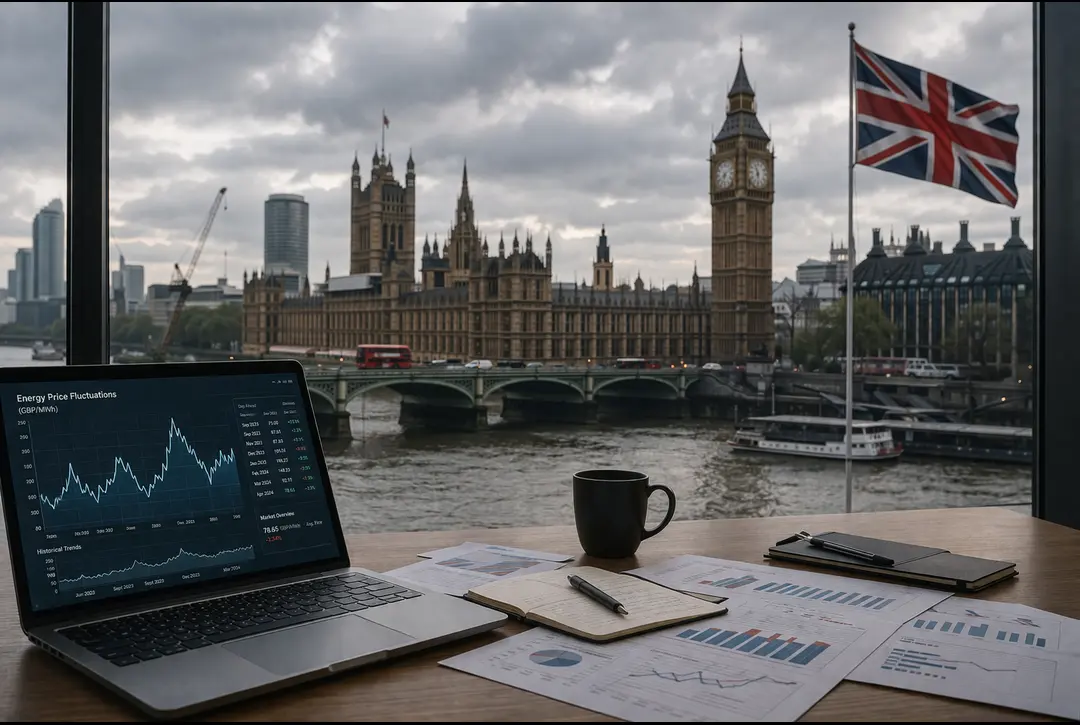
Running a business in the UK requires a careful balancing act of managing costs and driving growth. Yet, one of your most significant overheads is often at the mercy of factors thousands of miles away. Global incidents, geopolitical conflicts, and international supply chain disruptions play a massive role in determining your monthly utility bills or business electricity rates. Understanding the relationship between global politics and local energy prices gives you a distinct advantage. It allows you to anticipate market movements, negotiate better with business electricity suppliers, and implement strategies that protect your bottom line.
In this article, we explore how international events dictate UK business electricity rates. We look closely at recent geopolitical shifts, including the impact of the Middle East’s geopolitical tensions, and provide actionable steps to shield your business from unpredictable energy markets.
The Connection between Global Events and the UK Energy Market
The UK energy market does not operate in a vacuum. Even though a significant portion of the electricity generated in the UK comes from domestic renewables, the market remains deeply tied to global fossil fuel prices.
Gas plants still generate a large percentage of UK electricity. Because the UK imports a substantial amount of natural gas to meet its demands, any event that affects global gas supplies directly impacts the cost of generating electricity here at home.
Supply Chain Disruptions
When international trade routes face blockades, natural disasters, or sanctions, the supply of coal, oil, and Liquid Natural Gas (LNG) shrinks. As supply falls and global demand remains steady or increases, prices surge. Business electricity suppliers purchase energy on these wholesale markets. When their procurement costs go up, they pass those increases directly on to the consumer.
Currency Fluctuations
Energy is traded globally in US dollars. When international events cause economic uncertainty, currency values fluctuate. If the British pound weakens against the dollar due to geopolitical instability, buying the same amount of gas or electricity costs more. These subtle economic shifts can slowly drive up business electricity rates, even if physical supply lines remain fully operational.
The Impact of the Middle East’s Geopolitical Tensions on the UK Energy Market
The Middle East remains a crucial hub for global energy production and transit. The geopolitical tensions in the region sent shockwaves through the global economy, and the UK energy sector felt the tremors almost immediately.
Iran sits on the Strait of Hormuz, a narrow waterway through which roughly a fifth of the world's oil consumption and a massive volume of LNG passes daily. When conflict escalated in this region, shipping companies faced severe risks, leading to rerouted vessels, skyrocketing insurance premiums, and delayed deliveries.
For the UK, this conflict meant a sudden constraint on global LNG supplies. Even though the UK does not rely exclusively on Middle Eastern gas, the global scramble to secure alternative energy sources drove wholesale prices to extreme highs. European nations, including the UK, had to outbid Asian markets to secure enough fuel for the winter months.
Consequently, business electricity suppliers faced immense financial pressure. To manage their own risk profiles, suppliers adjusted their pricing models, leading to steep increases in business electricity rates. Companies operating on variable tariffs saw their monthly bills spike aggressively, while those attempting to renew their fixed contracts found themselves quoted rates significantly higher than their previous terms.
How Business Electricity Suppliers Price Their Contracts
To understand how to protect your business, you must first understand how business electricity suppliers calculate their offers. Suppliers buy energy on the wholesale market months or even years in advance through a process called hedging.
When global stability is high, wholesale prices remain low, and suppliers can offer highly competitive business electricity rates. However, when international conflicts arise, the wholesale market becomes volatile. Suppliers must price in this "risk premium."
If you request a quote during a period of international unrest, the supplier assumes the risk that wholesale prices might climb even higher. To protect themselves, they inflate the rates they offer. Knowing this helps you understand why timing your contract renewal is just as important as the supplier you choose.
How to Deal with High Business Electricity Rates?
You cannot stop international conflicts, but you can control how your business responds to them. Implementing a proactive energy strategy ensures you remain profitable even when global markets panic.
Lock in Fixed Business Electricity Rates
If your business operates on a variable rate or out-of-contract tariff, you are directly exposed to wholesale market volatility. Every time a global event causes prices to spike, your bills will immediately reflect that increase.
The most effective way to shield your cash flow is to secure a fixed-rate contract. By locking in your business electricity rates for a set period, typically one to three years, you transfer the market risk back to your supplier. Even if international conflicts drive global prices up, your unit rate remains the same until your contract expires.
Keep an eye on the market. If geopolitical tensions show signs of easing and prices dip, use that window to lock in a long-term fixed contract.
Audit Your Energy Consumption
The cheapest energy is the energy you do not use. Reducing your overall consumption directly limits your exposure to high unit rates. Conduct a comprehensive energy audit across your premises to identify wastage.
Upgrade to LED lighting.
Install motion sensors in low-traffic areas.
Optimise Heating, Ventilation, And Air Conditioning (HVAC) systems.
Ensure heavy machinery is powered down during non-operational hours.
Even small behavioural changes among your staff can yield noticeable reductions in your overall energy demand.
Invest in On-Site Generation
For businesses with the capital to invest, on-site energy generation provides the ultimate shield against global market volatility. Installing solar panels or wind turbines on your premises allows you to generate a portion of your own electricity.
When you rely less on the national grid, the rates offered by business electricity suppliers matter significantly less to your bottom line. Furthermore, generating your own renewable energy drastically reduces your carbon footprint, appealing to environmentally conscious consumers and potentially qualifying your business for government grants or tax incentives.
Partner With an Energy Broker
Navigating the energy market during times of international crisis is complex. Business electricity suppliers constantly change their tariffs, and keeping track of the best deals requires dedicated time and expertise.
Working with a reputable commercial energy broker removes this burden. Brokers have direct relationships with multiple suppliers and possess a deep understanding of market trends. They can advise you on the best time to sign a contract and negotiate competitive business electricity rates on your behalf.
Final Words
International events will always influence the cost of doing business in the UK. From supply chain bottlenecks to the severe disruptions caused by the Middle East’s geopolitical tensions, global instability inevitably trickles down to your business electricity rates.
However, your business does not have to remain vulnerable. By understanding how the market works, securing fixed contracts at the right time, and actively reducing your reliance on grid energy, you can build a resilient operation.
Review your current energy contract today. Speak with several business electricity suppliers or engage a broker to explore your options. Taking proactive steps now will protect your profit margins and ensure your business continues to thrive, regardless of what happens on the global stage.
Do you also want to lower your business electricity rates? Just make a switch via us, as we’ve partnered with top business electricity suppliers in the UK.